1. What Fitoo Changes in Daily Light Body Management
2. Key Takeaways
3. Fitoo’s Role in a Structured Meal Routine
4. When Meal Replacement Structure Is Most Useful
5. How to Decide Whether Fitoo Fits Your Day
6. How to Pair Fitoo With Meals, Movement, and Hydration
7. How Feedback Helps Track Light Body Trends
8. Common Fitoo Routine Mistakes
9. FAQ
10. Extended Reading
What Fitoo Changes in Daily Light Body Management
Fitoo vs Traditional Dieting: Which Supports More Sustainable Weight Management? For many busy adults, Fitoo may be more sustainable when the main problem is inconsistent meal timing, skipped meals, oversized convenience food portions, or low structure during workdays. Traditional dieting can work when it teaches long-term eating skills, but strict food rules often become difficult to maintain once travel, family meals, late meetings, or social plans return.
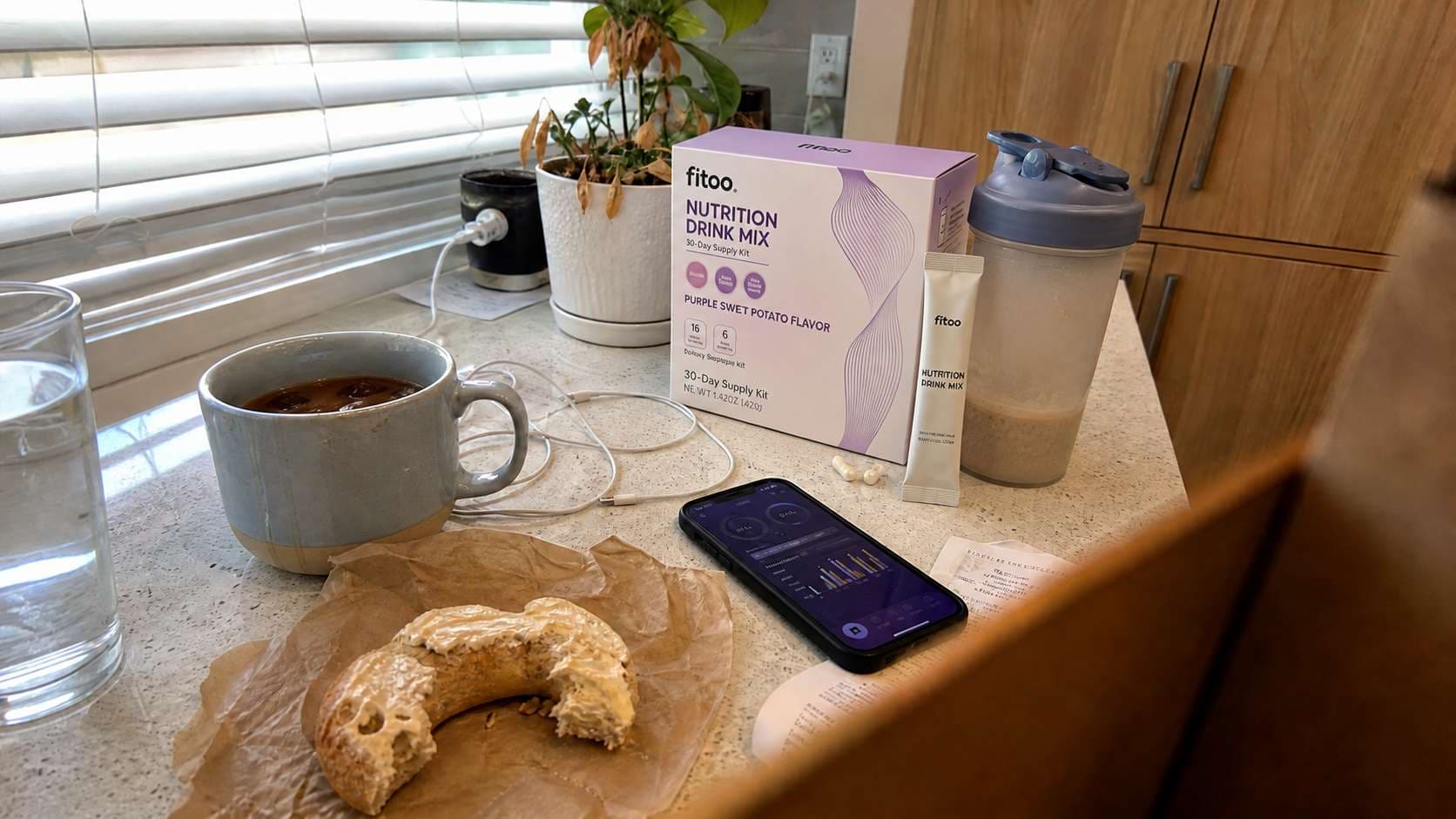
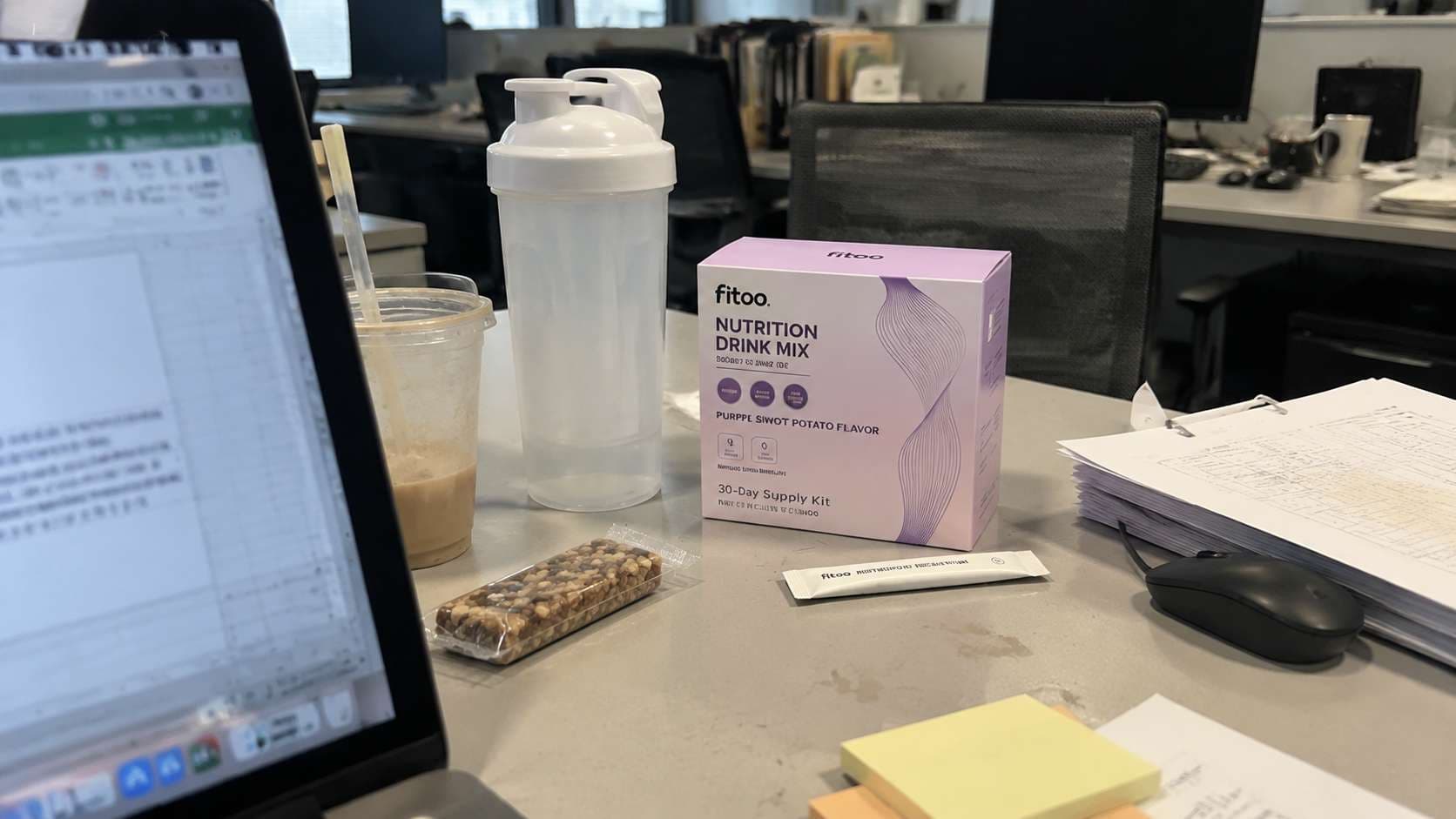
Fitoo is designed as a meal replacement option within a broader light body management routine. Its value is practical: it gives one part of the day a clear structure so the rest of the day can stay more realistic. That structure can support portion awareness, reduce last-minute food decisions, and help create a repeatable rhythm around normal meals.
A sustainable routine still depends on the full day. Fitoo does not replace every meal, remove the need for whole foods, or guarantee a specific result. The better comparison is this: traditional dieting often asks for broad restriction across many eating moments, while Fitoo focuses on making one planned eating moment easier to manage.
Key Takeaways
- Fitoo fits best as meal rhythm support. It is most useful when a person needs a planned option during a busy breakfast, lunch, or on-the-go window.
- Traditional dieting can be effective, but adherence matters. A plan that feels too strict may lead to cycles of restriction, frustration, and unplanned eating.
- Light body management is a routine, not a single product decision. Satiety, hydration, movement, sleep, and regular meals all shape the outcome.
- Fitoo should be paired with whole-food meals. Protein, fiber-rich carbohydrates, colorful vegetables, healthy fats, and sensible portions still matter.
- Progress should be judged by patterns. Energy, hunger control, meal consistency, clothing fit, and body-composition trends can be more useful than one daily weigh-in.
Fitoo’s Role in a Structured Meal Routine
The strongest role for Fitoo is filling the gap between intention and real life. Many people know what a balanced meal looks like, yet the problem appears at 8:10 a.m. before a commute, at 1:30 p.m. between meetings, or after a long afternoon when snack choices become automatic.
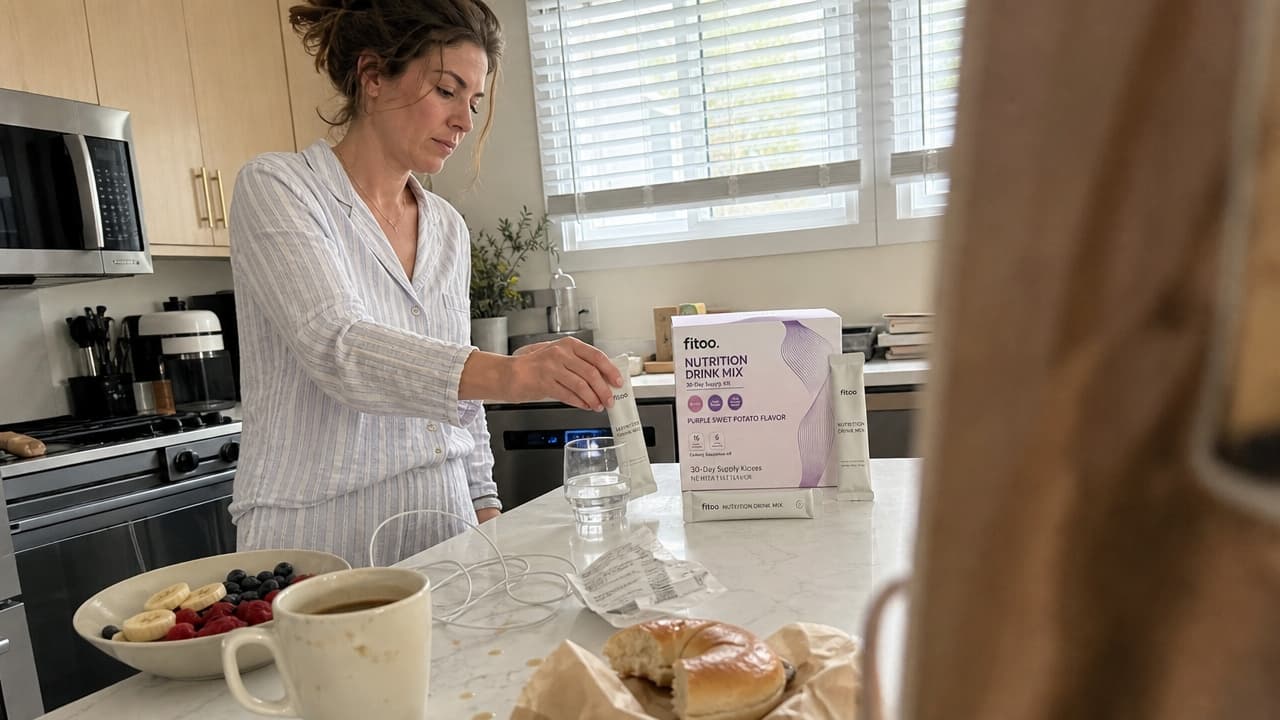
In that setting, Fitoo acts as a planned meal replacement within the LuckDate light body routine. It can help create a predictable eating occasion when cooking is unlikely or portion control is difficult. The goal is smoother daily structure: fewer skipped meals, fewer emergency choices, and less dependence on highly sugary grab-and-go options.
This is also where Fitoo differs from a classic diet mindset. A traditional diet may start with a list of forbidden foods. A Fitoo-centered routine starts with a schedule question: Which meal is most likely to break down during a normal day? Once that meal is identified, Fitoo can be used as a consistent anchor, while the surrounding meals remain balanced, satisfying, and social enough to continue.
When Meal Replacement Structure Is Most Useful
Meal replacement structure is most useful when the problem is meal timing, portion drift, or busy-day inconsistency, not a lack of motivation. For many adults, traditional dieting becomes hard to sustain because every meal requires fresh decision-making: what to cook, how much to serve, whether a snack “counts,” and how to recover after a rushed lunch.
Fitoo fits best as a planned light body routine tool for specific moments: an early workday breakfast, a controlled lunch between meetings, a travel day option, or a simple reset after several unstructured meals. In these situations, a meal replacement can reduce decision fatigue while still leaving room for regular whole-food meals later in the day.
A practical example is a weekday schedule with breakfast at 7:30 a.m., lunch meetings at noon, and dinner with family at 7 p.m. If breakfast often becomes sweet coffee and a pastry, a structured Fitoo serving may create a more predictable start. If dinner is the most social and satisfying meal, keeping dinner as a balanced plate can make the overall routine feel less restrictive.
The strongest fit usually appears when one daily eating window is chaotic. Using Fitoo to organize that window can support consistency without turning the entire day into a diet plan.
How to Decide Whether Fitoo Fits Your Day
Fitoo fits your day when it solves a repeated routine gap and still allows enough real food, fluids, and flexibility across the week. A simple decision standard is to look at the past five weekdays and identify where weight management usually breaks down: skipped breakfast, oversized takeout lunch, late-night snacking, or grazing during work.
If the main issue is an unpredictable meal, Fitoo may be useful. If the main issue is emotional eating, very low energy, medical food restrictions, or a history of disordered eating, a meal replacement should be approached with professional guidance. The evidence boundary matters: Fitoo is a light body management support product, not a medical treatment or a guarantee of weight change.
- Good fit: one rushed meal per day needs structure.
- Good fit: portion control is hardest during work hours.
- Good fit: regular meals are still possible at other times.
- Less ideal fit: the plan removes too many normal meals.
- Less ideal fit: the routine causes hunger that leads to rebound snacking.
Traditional dieting often asks for broad restriction across the whole day. A Fitoo routine works best when the goal is narrower: make one meal easier to manage, then build the rest of the day around steady habits.
How to Pair Fitoo With Regular Meals, Movement, and Hydration
Fitoo should be paired with regular meals, daily movement, and hydration so the routine supports satiety, energy, and consistency. A balanced day might use Fitoo for breakfast, then include a lunch with lean protein, vegetables, fiber-rich carbohydrates, and healthy fats, followed by a dinner that feels normal enough to repeat.
Hydration helps the routine feel smoother, especially when meal timing changes. A simple target is to drink water with Fitoo and continue fluids through the day, adjusting for activity level, climate, and caffeine intake. Movement does not need to be extreme; the CDC describes adult activity as a regular weekly habit built through aerobic movement and muscle-strengthening activities.
For a realistic Fitoo & Light Body Management pattern, avoid stacking too many changes at once. Start with one planned Fitoo moment, keep two whole-food meals steady, walk after one meal when possible, and review hunger levels at night. If hunger is consistently high, the routine may need more protein, fiber, or total food at regular meals.
This is where Fitoo can differ from traditional dieting in daily experience: the aim is a repeatable structure that reduces friction while keeping normal eating skills active.
How Feedback Helps Track Light Body Trends
A Fitoo routine becomes easier to evaluate when the focus moves from daily guesswork to weekly patterns. Body weight can move up or down from water, sodium, digestion, menstrual cycle changes, training soreness, travel, or sleep. A single weigh-in rarely explains whether a light body routine is working. A trend over several weeks gives a clearer picture.
For many people, the most useful feedback loop has three parts: meal rhythm, body response, and routine consistency. Fitoo can support meal rhythm by giving one planned eating moment a defined structure. Regular meals around it provide protein, fiber, colorful produce, and satisfying textures. Hydration and movement help the routine feel more complete across the day.
Smart Scale Air can be useful when someone wants more visibility than body weight alone. Body-composition feedback may help show whether the overall routine is moving in a productive direction, especially when paired with notes about meals, steps, sleep, and energy. The goal is to notice trends, not to react emotionally to every number.
- Weekly weight trend: Look at averages across several days, not a single morning.
- Satiety notes: Track whether the Fitoo timing keeps hunger manageable until the next planned meal.
- Meal quality: Check whether regular meals still include whole foods, lean protein, fiber, and healthy fats.
- Movement consistency: Record walks, strength training, or active breaks that support daily energy use.
- Digestive comfort: Notice bloating, irregularity, or discomfort when changing meal timing or portions.
Self-monitoring has been studied as a helpful behavior in weight management, particularly when it supports awareness and consistency. It works best when the data leads to calm adjustments: shifting Fitoo to a busier meal window, adding vegetables at dinner, drinking water earlier in the day, or planning a protein-forward breakfast after a late night.
Common Fitoo Routine Mistakes
The most common Fitoo mistake is treating a meal replacement as permission to make the rest of the day vague. Sustainable weight management still depends on the full pattern: meal timing, total intake, food quality, movement, sleep, and stress. Fitoo can create structure, but the routine around it determines how well that structure holds.
- Using Fitoo while skipping balanced meals all day: A light body routine still needs real food. Build regular meals with protein, vegetables, whole grains or starchy plants, and satisfying fats.
- Choosing the wrong time slot: If afternoons are the highest-risk period for snacks, using Fitoo in the morning may not solve the actual problem. Match the routine to the day’s weak point.
- Ignoring hunger signals: Strong hunger, low energy, or repeated evening overeating may mean the surrounding meals need more protein, fiber, or total food.
- Expecting immediate visual change: Light body management is better judged through consistency, waist comfort, energy, food decisions, and weekly trends.
- Forgetting hydration: Changes in meal rhythm can feel harder when water intake is low. Keep fluids steady, especially on active or hot days.
Digestive rhythm can also influence how a routine feels. If meal timing changes lead to occasional discomfort, a person may want to review fiber intake, fluids, and eating pace. Gut Support can fit as digestive routine support for those who want an additional wellness step, while Fitoo remains the main product for light body meal structure.
A practical rule: adjust one variable at a time. Change the Fitoo meal window, portion balance, movement target, or evening snack plan separately. That makes it easier to see what actually improves the routine and helps avoid overbuying products before the daily structure is clear.
9. Practical Questions About Fitoo and Sustainable Weight Management
What is Fitoo used for in light body management?
Fitoo is used as light body routine support for days when meal timing, portion awareness, and satiety need more structure. Its role is closest to a meal replacement context: it can help create a planned eating moment when breakfast is skipped, lunch becomes rushed, or evening snacking starts filling the gap left by an unbalanced day.
When does a meal replacement structure fit a normal day?
A meal replacement structure fits best when the main challenge is consistency. For example, a busy workday may make it difficult to prepare a balanced meal at noon, while travel or long commutes can lead to convenience foods with added sugars. In those moments, Fitoo can act as a structured option within a broader wellness routine that still includes regular meals, water, movement, and sleep.
Does Fitoo replace every meal?
No. Fitoo should not be used as a full-day replacement for normal eating. Sustainable weight management depends on a wider pattern that includes protein-rich foods, fiber, vegetables, healthy fats, hydration, and realistic meal timing. A practical approach is to use Fitoo for one planned meal occasion when it genuinely improves the day’s structure, then keep whole-food meals around it.
How can satiety be judged while using Fitoo?
Satiety can be judged by how steady the next three to four hours feel. Useful signs include fewer snack impulses, better portion control at the next meal, stable energy, and less urgency around food. If hunger returns quickly, the surrounding routine may need adjustment, such as adding more water, improving protein and fiber at other meals, or changing the timing of use.
How should Fitoo be paired with food and movement?
Pair Fitoo with simple, repeatable habits. A balanced dinner might include lean protein, vegetables, beans or whole grains, and a moderate amount of healthy fat. Movement can be modest and consistent, such as walking after meals or following weekly activity goals. For routine feedback, Smart Scale Air may help track body-composition trends over time without relying on daily weight alone.
When is professional guidance important before using Fitoo?
Ask a qualified healthcare professional first if pregnancy, nursing, medication use, a diagnosed medical condition, a history of disordered eating, or medically supervised weight management is involved. Personal health context matters more than any single routine choice.
10. Extended Reading for Evidence-Aware Weight Management
Disclaimer
This article is for educational purposes only and is not medical advice. LuckDate products and wellness routines are not intended to diagnose, treat, cure, or prevent any disease. Consult a qualified healthcare professional before starting any supplement, meal replacement, weight-management plan, or major wellness routine, especially if you are pregnant or nursing, taking medication, or managing a medical condition.