1. Why Nutritionist Support Strengthens Consistency
2. Key Takeaways
3. The Routine Problems Nutritionist Guidance Can Solve
4. Signs Guided Support May Be Worth It
5. Turning Product Choices Into Purposeful Decisions
6. Preparing for a Productive First Check-In
7. Measuring Whether Guidance Is Helping
8. Mistakes That Weaken Guided Wellness Plans
9. Frequently Asked Questions
10. Extended Reading
1. Why Nutritionist Support Strengthens Consistency
Nutritionist support helps people stay consistent with wellness plans by turning broad intentions into realistic actions, then adjusting those actions as schedules, preferences, and challenges change. Human guidance can clarify what to prioritize, reduce uncertainty around food and product choices, and create useful accountability through regular check-ins.
Consistency rarely depends on motivation alone. A plan may fail because breakfast takes too long, an afternoon meal does not feel satisfying, travel disrupts preparation, or the routine includes too many changes at once. A nutritionist can identify these practical barriers and help simplify the next step. That makes the plan easier to repeat on ordinary days, when time and attention are limited.
2. Key Takeaways
- Personalization improves fit: Guidance can account for food preferences, work hours, cooking access, budget, and current habits.
- Check-ins support adjustment: Regular conversations help address friction before one difficult week becomes complete abandonment.
- Clear priorities reduce overload: A nutritionist can help determine which one or two changes deserve attention first.
- Products remain supporting tools: Any supplement or routine product should have a defined purpose within the wider plan.
- Professional boundaries matter: Nutrition guidance should remain within an appropriate evidence boundary and refer medical concerns to qualified healthcare professionals.
3. The Routine Problems Nutritionist Guidance Can Solve
A wellness goal such as “eat better” leaves dozens of daily decisions unresolved. What works before an early shift? Which meal needs more structure? Is the plan still practical during weekends? Nutritionist guidance converts the goal into specific behaviors that can be observed, reviewed, and refined.
Consider someone who repeatedly skips lunch, becomes very hungry late in the afternoon, and abandons the evening plan. The useful response may involve preparing a simple lunch, changing meal timing, or keeping a convenient option available. A check-in then reveals whether that change actually worked. This cycle of personalization, action, feedback, and adjustment is the central value of a Nutritionist Guidance & Care System.
Guidance also separates a temporary obstacle from a poor plan fit. When progress stalls, the next step becomes a focused review of adherence, satisfaction, schedule demands, and product relevance instead of random self-adjustment.
4. When Support Is More Useful Than Self-Adjusting
Guided support becomes especially useful when repeated self-adjustments create confusion, inconsistency, or avoidable risk. A nutritionist can help narrow the variables, set a realistic starting point, and decide what to change after reviewing actual results.
Consider seeking guidance when any of these situations applies:
- Your routine changes every few days. Frequent changes make it difficult to identify which meal pattern, schedule, or product is affecting energy, hunger, or adherence.
- Your plan repeatedly breaks down at the same time. If late meetings lead to skipped dinners three nights each week, the priority may be a practical backup meal—not stricter rules.
- You are combining several supplements. A qualified professional can review overlapping ingredients, serving sizes, and potential concerns. The NIH Office of Dietary Supplements advises discussing supplement use with healthcare providers.
- Your health situation requires closer oversight. Pregnancy, medication use, food allergies, chronic conditions, eating-disorder history, or unexplained symptoms call for an appropriate licensed healthcare professional, often including a registered dietitian nutritionist.
Self-directed adjustment can still work for a stable, low-risk routine. Change one meaningful variable at a time and observe it for approximately 7 to 14 days, unless symptoms or professional instructions require faster action.
5. How Guidance Clarifies Product Choices
Nutritionist guidance clarifies product choices by connecting each item to a defined routine gap, usage plan, and review point. Before recommending or continuing a product, the discussion should cover its purpose, ingredient profile, timing, cost, and evidence boundary.
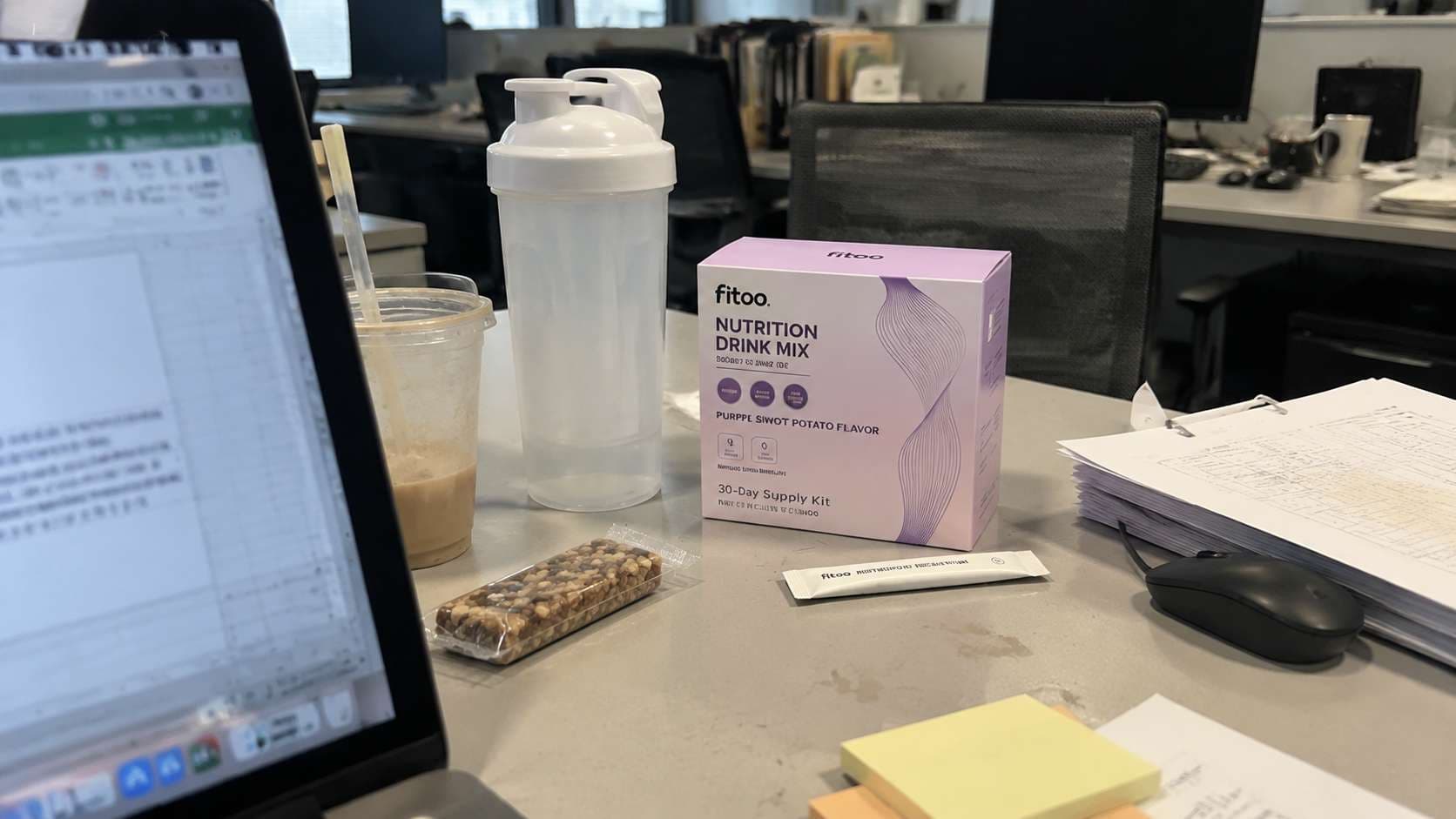
For example, Fitoo may be considered as light body routine support when it fits a person’s meal schedule and broader nutrition plan. It should remain one tool within the routine; it does not replace balanced eating, adequate protein, produce, hydration, sleep, or appropriate clinical care.
A useful decision standard is simple: if no one can explain what gap the product addresses, how it will be used, and when its value will be reviewed, delay the purchase. The FDA’s dietary supplement guidance also emphasizes that supplements are regulated differently from drugs and may carry interaction or quality considerations.
6. How to Prepare for the First Check-In
Prepare for the first check-in by bringing a short, accurate picture of your current week. Three representative days of meals, drinks, supplements, sleep, work hours, hunger patterns, and activity usually provide more useful detail than a “perfect” food log.
- List all products, serving sizes, and labels.
- Choose one primary goal for the next two weeks.
- Identify the two situations most likely to disrupt the plan.
- Note medications, allergies, symptoms, and relevant clinician instructions.
- Ask how progress will be measured and when adjustments will occur.
A productive check-in should end with one or two specific actions, a realistic fallback option, and a scheduled review date.
7. How to Tell Whether Nutritionist Guidance Is Working
Effective guidance makes a wellness routine easier to understand, follow, and adjust. Early progress may appear as fewer missed meals, more predictable energy, simpler shopping decisions, or better preparation for busy days. Body-weight changes are only one possible measure and can fluctuate for many reasons.
Choose three to five indicators that reflect the purpose of your plan. Record them briefly for two weeks so each check-in can focus on useful patterns:
- Routine adherence: How many planned meals, snacks, hydration goals, or movement sessions were completed?
- Daily experience: Note hunger, fullness, energy, digestion, sleep quality, and any product-related discomfort.
- Practical fit: Consider preparation time, food access, travel, family meals, work schedules, and budget.
- Decision confidence: Are food and product choices becoming clearer, with less second-guessing?
- Adjustment quality: Does the nutritionist use your feedback to make specific, manageable changes?
A productive check-in should end with a short action plan. For example, the next step might be preparing two breakfasts in advance, adding a protein source at lunch, or changing when a routine-support product is used. Ask what to continue, what to modify, and which signs warrant stopping a product or contacting a healthcare professional.
Guidance deserves reevaluation when recommendations remain vague, frequent changes make the routine harder to assess, concerns are dismissed, or supplement claims exceed established evidence boundaries. Qualified support should also respect personal preferences and refer medical questions to an appropriate licensed clinician.
8. Common Mistakes That Weaken Guided Wellness Plans
Arriving without real-life details. A nutritionist needs an honest picture of work hours, cooking skills, appetite patterns, medications, supplements, budget, and previous difficulties. A polished “ideal day” gives less useful information than a typical Tuesday.
Changing several variables at once. Starting a new eating schedule, multiple supplements, and an intense exercise plan together makes outcomes difficult to interpret. Introduce changes in stages and document the timing.
Treating check-ins as performance reviews. Missed steps are valuable feedback. Explain what happened so the plan can account for late meetings, travel, social events, food preferences, or unexpected hunger.
Letting products define the plan. Products should fill a clearly identified role. For example, Fitoo may be considered as light body routine support when its format and intended use fit the nutritionist-guided plan. It should not displace balanced meals or become a shortcut around routine building.
Continuing despite warning signs. Report persistent discomfort, unusual symptoms, or medication concerns promptly. People who are pregnant, breastfeeding, managing a medical condition, preparing for surgery, or taking prescription drugs should involve an appropriate healthcare professional before making significant dietary or supplement changes.
9. Practical Questions About Nutritionist Support
Guidance works best as an ongoing conversation. These questions clarify how personalization, check-ins, and appropriate product use can strengthen a wellness routine.
What does nutritionist guidance help with?
A nutritionist can clarify priorities, translate broad goals into realistic actions, review obstacles, and help align meals, schedules, preferences, and optional products with one practical plan.
When is guided support more useful than self-adjusting?
Support may be valuable when repeated plans lose momentum, food choices feel confusing, schedules change frequently, or several supplements and wellness products are being considered at once.
How should I prepare for a nutritionist appointment?
Bring a short record of meals, sleep, activity, medications, supplements, allergies, schedule constraints, and previous challenges. Specific information helps make personalization more useful.
How should products fit into a guided routine?
Products should serve a defined role within established eating and activity habits. For example, Fitoo light body routine support may be considered with LuckDate guidance when its format matches the plan, schedule, and personal needs.
How often should a wellness plan be reviewed?
Early check-ins may occur more frequently while habits are forming. Later reviews can assess consistency, tolerance, convenience, progress indicators, and whether the plan needs a small adjustment.
When is medical care needed?
Consult a qualified healthcare professional before major dietary changes when managing a medical condition, taking medication, or experiencing persistent or concerning symptoms. Nutrition guidance does not replace clinical care.
10. Extended Reading
Disclaimer
This article is for educational purposes only and is not medical advice. LuckDate products and wellness routines are not intended to diagnose, treat, cure, or prevent any disease. Consult a qualified healthcare professional before starting any supplement, meal replacement, weight-management plan, or major wellness routine, especially if you are pregnant or nursing, taking medication, or managing a medical condition.