1. Why Tracking Makes a Wellness Routine Easier to Maintain
2. Key Takeaways
3. How Tracking Improves Everyday Wellness Decisions
4. Wellness Signals Worth Recording
5. How to Track Progress Without Creating Pressure
6. How Product Feedback and App Records Work Together
7. A Simple Weekly Progress Review
8. Common Tracking Mistakes That Disrupt Consistency
9. Frequently Asked Questions
10. Extended Reading
Why Tracking Makes a Wellness Routine Easier to Maintain
Tracking supports consistency by making actions and patterns visible. A brief record can show whether you completed a walk, slept well, followed your planned meals, or felt energized afterward. That visibility reduces guesswork and helps you decide what to repeat, simplify, or adjust.
This is why tracking your wellness routine can help you stay consistent even when motivation changes. Each entry creates a small point of reference. Over time, those points reveal trends that a single weigh-in, difficult morning, or missed workout cannot explain on its own.
Key Takeaways
- Track useful signals: Focus on a few habits, body-feel notes, and relevant progress indicators.
- Review trends: Weekly patterns usually offer more context than isolated daily results.
- Keep the process light: A tracking routine should take only a few minutes.
- Use records to adjust: Progress visibility can guide practical changes to timing, frequency, or routine difficulty.
How Tracking Improves Everyday Wellness Decisions
Without a record, daily decisions often depend on memory and mood. After a tiring day, it may feel as though the entire week went poorly. A simple log might show that you still completed three walks, maintained a regular bedtime on most nights, and felt better after eating breakfast.
App and progress tracking can connect actions with outcomes. For example, several weeks of notes may reveal that late caffeine coincides with restless sleep, or that shorter workouts are easier to maintain during busy periods. These observations support manageable changes based on personal patterns.
The goal is pattern awareness, not constant measurement. Choose signals that help answer a real question, then use the record to make the next decision easier.
4. What Signals Are Worth Recording
The most useful signals are the ones that reveal whether your routine is repeatable and how you feel while following it. Begin with three to five measures that connect directly to your current goal.
- Habit completion: Record whether you completed a planned walk, workout, meal, hydration target, or bedtime routine.
- Body feel: Use a simple one-to-five rating for energy, soreness, hunger, mood, or perceived stress.
- Sleep: Note approximate sleep duration and whether you woke feeling restored.
- Body-composition trends: If relevant to your goal, record weight or other scale estimates under similar conditions.
- Context: Mark travel, illness, schedule changes, restaurant meals, or unusually demanding days.
Daily fluctuations rarely tell the whole story. A seven-day view can show, for example, that low afternoon energy appears after short nights or that workouts happen more reliably before work. Research on self-monitoring in weight-management programs also suggests that consistent recording can support behavior change, although tracking alone does not guarantee a particular result.
5. How to Avoid Over-Tracking Pressure
Tracking stays low-pressure when the record is brief, purposeful, and reviewed on a limited schedule. A daily check-in can take under two minutes: tap completed habits, add one body-feel rating, and include a short note only when something unusual occurred.
Choose one primary outcome and two or three supporting signals. Someone building a walking habit might track walking days, energy, and sleep duration. Adding calories, every nutrient, multiple body measurements, and hourly mood scores could create more work without improving the next decision.
Set an evidence boundary for each metric. Scale estimates, app streaks, and subjective ratings provide routine feedback; they do not diagnose health conditions or define personal worth. If a number repeatedly causes distress, pause that measure and focus on neutral behaviors such as meal timing, movement, or bedtime consistency.
6. How Product Feedback and App Records Work Together
Product feedback and app records work together by placing physical measurements beside the habits that may influence longer-term trends. In an App & Progress Tracking routine, the record supplies context that a single measurement cannot provide.
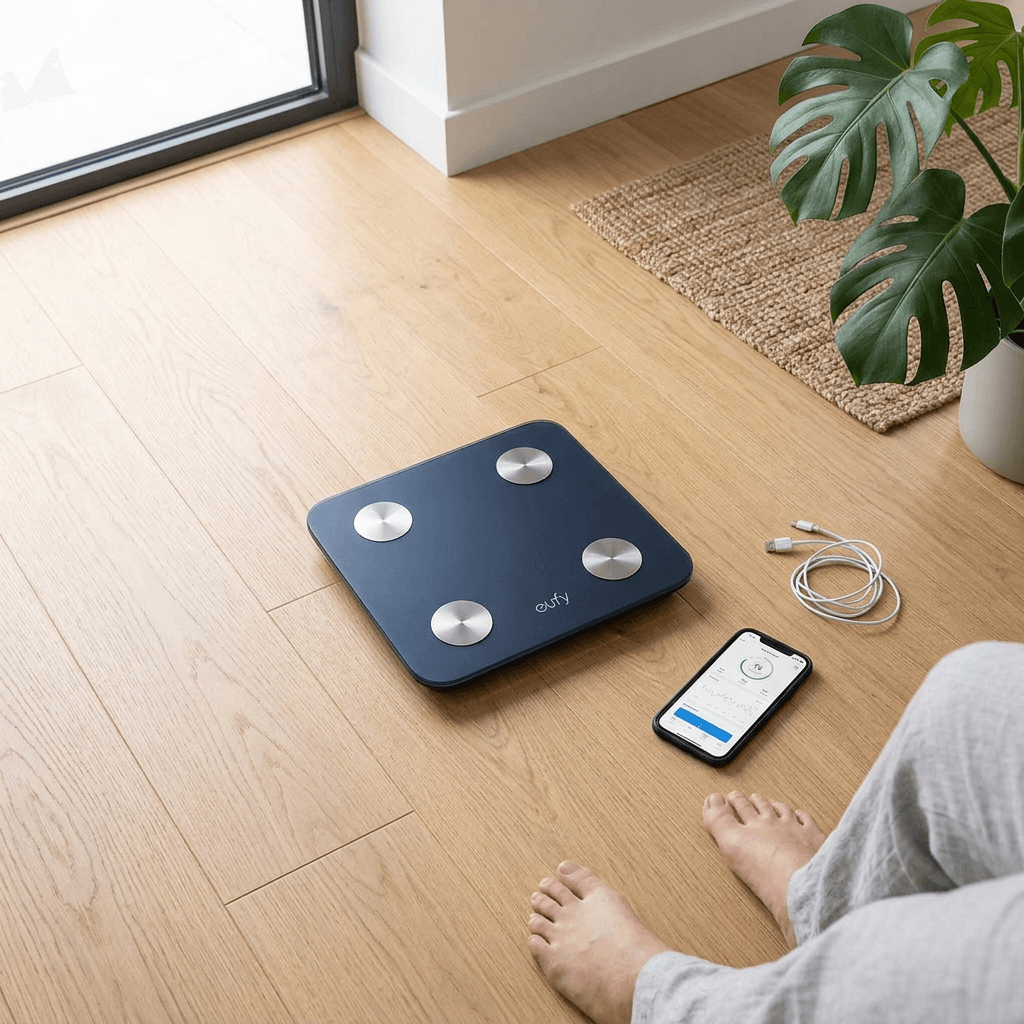
For example, the LuckDate Smart Scale Air can add body-composition visibility and routine feedback. Weighing under similar conditions two or three times per week may produce a more comparable trend. App notes can then show whether changes overlap with sleep disruption, altered activity, travel, or routine adherence.
Review the direction across several weeks, not isolated readings. Consumer body-composition estimates can vary with hydration, meals, exercise, and measurement timing, so they are best used for personal trend awareness. The practical question is simple: does the combined record reveal one manageable adjustment for the coming week?
7. A Simple Weekly Review Path
A weekly review turns scattered records into practical decisions. Set aside 10 minutes on the same day each week, preferably when you are unlikely to feel rushed. Daily fluctuations can reflect hydration, meal timing, sleep, stress, and normal body variation, so focus on the broader pattern.
Step 1: Check routine completion
Begin with three to five behaviors connected to your current goal. Examples include bedtime consistency, daily movement, planned workouts, water intake, or regular meals. Look at how often each action happened without grading the week as a success or failure.
Step 2: Review body feel and habit signals
Ask a few short questions: When did energy feel strongest? Which nights supported better sleep? Did hunger, soreness, mood, or stress affect the plan? A simple label such as low, steady, or high is often enough. Detailed scoring rarely adds value unless the information will guide a decision.
Step 3: Look for trends across several weeks
App records and measurements from the Smart Scale Air can add body-composition visibility and routine feedback. Interpret these data points as trends over time. One reading cannot explain whether a routine is working, and body-composition estimates have measurement limits.
Step 4: Choose one adjustment
Finish by selecting one manageable action for the coming week. You might move a workout to a less crowded day, prepare breakfast earlier, or set a more consistent wind-down time. Keeping the adjustment small makes its effect easier to observe.
Weekly review question: What is one change that would make my routine easier to repeat next week?
8. Common Tracking Mistakes
- Recording too much: A long list creates friction. Track only signals connected to a current goal or decision.
- Reacting to one-day changes: Weight, energy, appetite, and performance naturally vary. Use multiweek trends before changing the plan.
- Chasing perfect streaks: Missed days are information, not proof that the routine failed. Resume with the next realistic opportunity.
- Changing several variables at once: Multiple adjustments make it difficult to identify what helped. Test one meaningful change at a time.
- Ignoring context: Travel, poor sleep, stress, menstrual-cycle changes, illness, and unusual meals can influence records. Add a brief note when context matters.
- Treating estimates as diagnoses: Apps, wearables, and smart scales support pattern awareness; they do not diagnose health conditions. Concerning symptoms or persistent changes deserve guidance from a qualified healthcare professional.
The most sustainable tracking practice feels brief, useful, and flexible. If recording begins to increase anxiety or dominate daily choices, reduce the number of signals, review less frequently, or pause until the process feels supportive again.
9. Wellness Routine Tracking Questions
What signals are worth tracking?
Choose a small set connected to your goals: sleep duration, movement, meal consistency, energy, stress, body feel, and routine completion. Body weight or composition may add context, but no single measurement provides a complete picture.
How often should I record my routine?
Simple habits can be checked off daily in under a minute. Measurements that naturally fluctuate may be recorded under similar conditions several times per week. Select a schedule you can maintain without feeling monitored by it.
How should I read short-term changes?
Look for patterns across several weeks. Sleep, hydration, meals, exercise, stress, and normal body fluctuations can affect daily results. A trend is generally more informative than one unusually high or low reading.
How can tracking stay low-pressure?
Keep the list short and use neutral language such as “completed,” “partly completed,” or “skipped.” During a low-pressure weekly review, identify one helpful pattern and one manageable adjustment. Avoid attaching judgment to missed days.
Where does Smart Scale Air fit into a routine?
Smart Scale Air can add body-composition visibility and routine feedback to LuckDate App & Progress Tracking. Use its readings alongside body feel, sleep, movement, and habit signals while respecting the evidence boundary: consumer measurements are estimates and can vary.
When can professional guidance help?
Consult a qualified healthcare professional when measurements change unexpectedly, tracking increases anxiety, or you have symptoms, medication considerations, a history of disordered eating, or questions about an appropriate weight-management plan.
10. Extended Reading
Disclaimer
This article is for educational purposes only and is not medical advice. LuckDate products and wellness routines are not intended to diagnose, treat, cure, or prevent any disease. Consult a qualified healthcare professional before starting any supplement, meal replacement, weight-management plan, or major wellness routine, especially if you are pregnant or nursing, taking medication, or managing a medical condition.